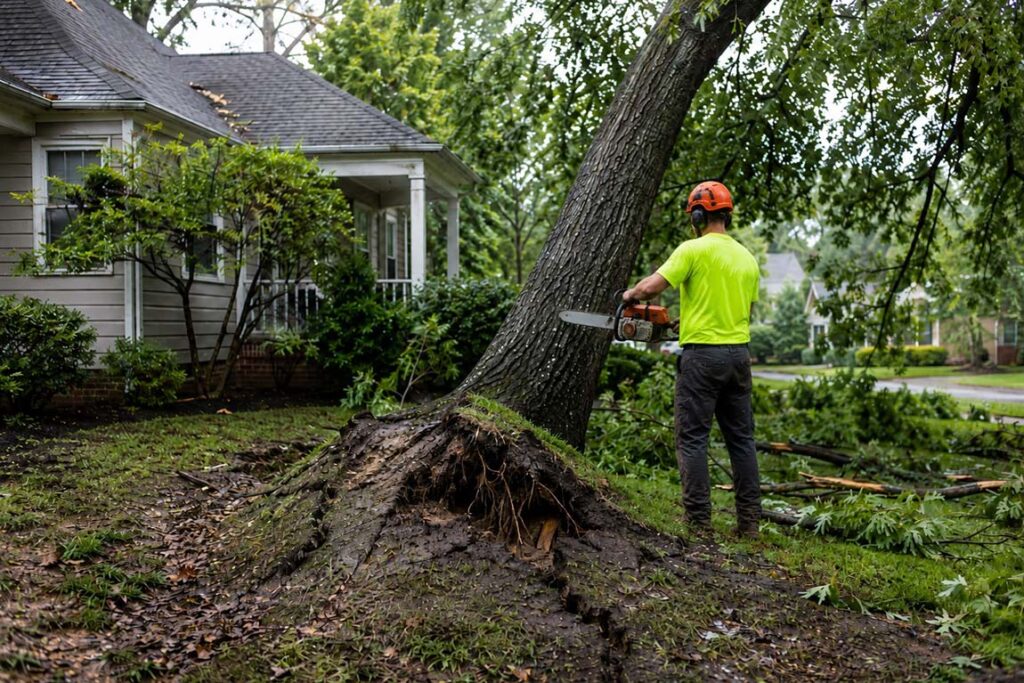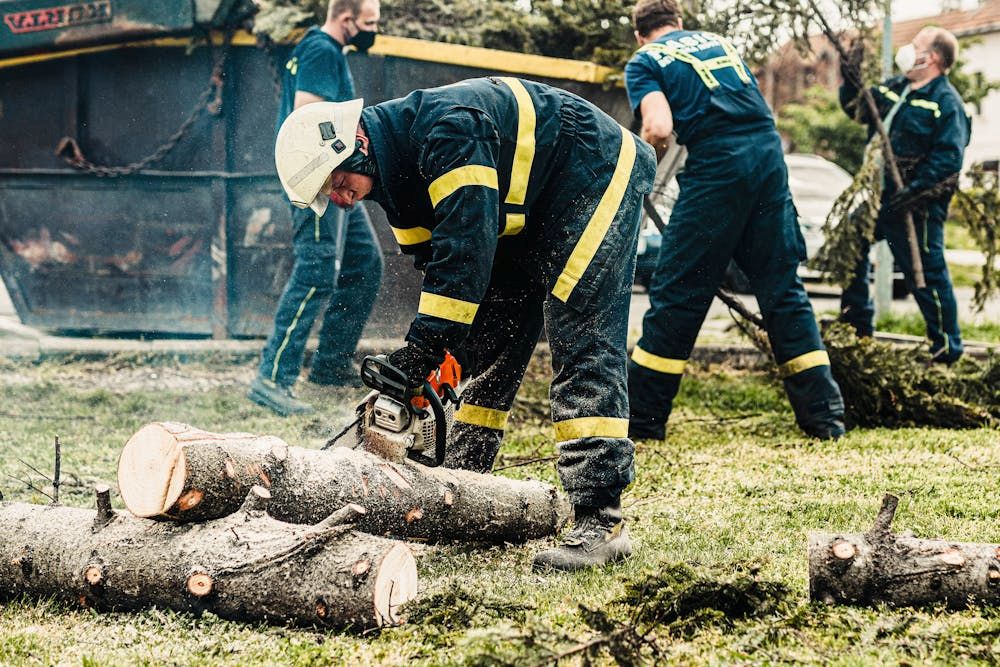
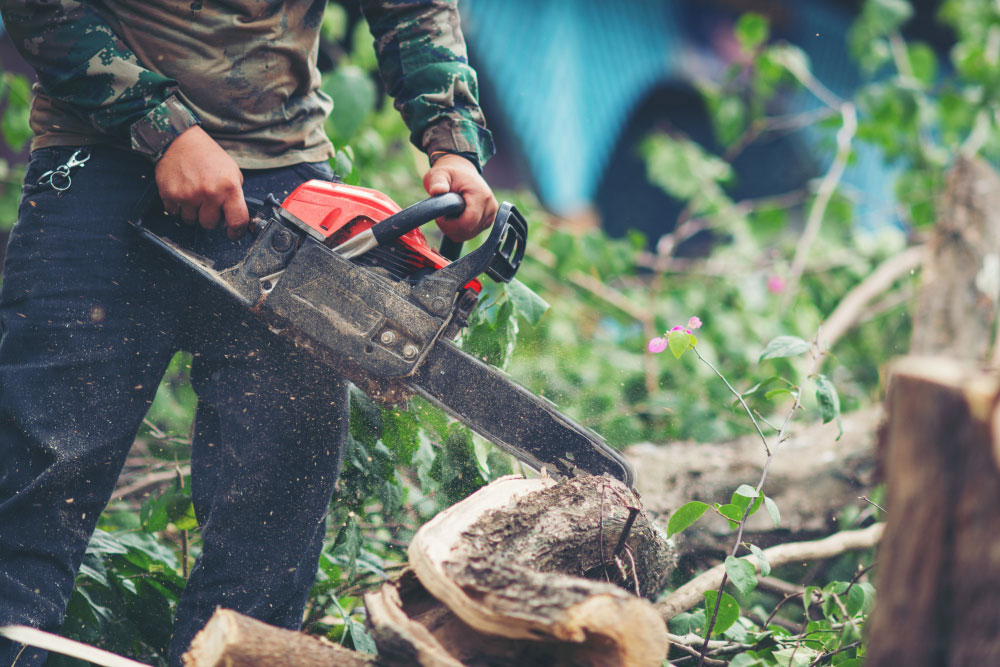
Homeowners in Charlotte often assume that if a tree sits near their yard, they can decide its fate on their own. That is not always true. In Charlotte, the first question is not whether you mow around the tree or rake its leaves. The first question is where the tree stands. Trees in the public street right-of-way are protected differently from trees rooted on private land, and Charlotte also applies separate rules to protected trees such as heritage trees.
If you are checking the Charlotte tree ordinance in 2026, the practical takeaway is simple: a permit question turns on location, tree type, and whether the work is tied to development. That is why many homeowners pause before scheduling tree removal.
What this blog covers
- When Charlotte may require a permit
- What counts as a right-of-way tree
- How private-property rules differ
- Why heritage trees need extra attention
- Common mistakes homeowners make before removal
The short answer: It depends on where the tree stands
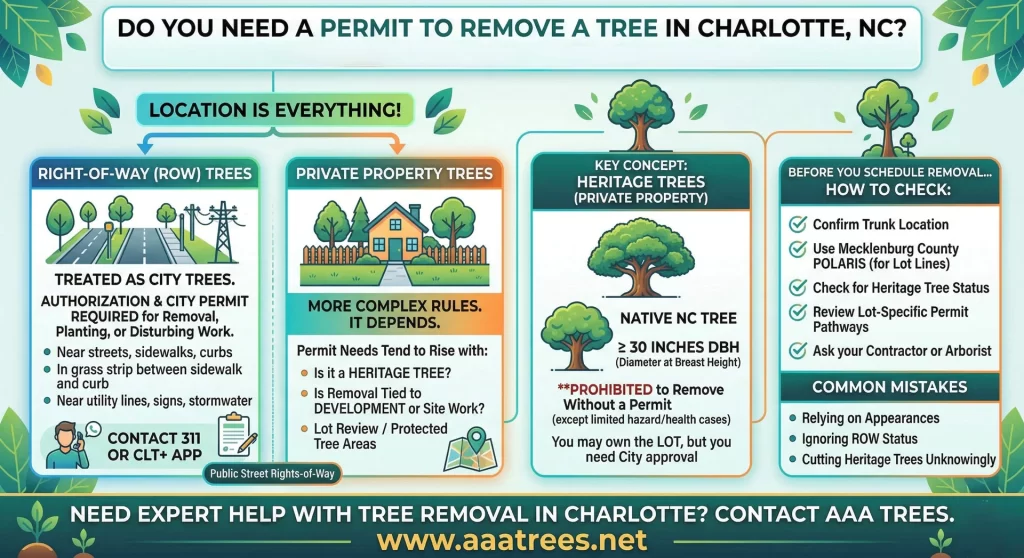
Charlotte’s Urban Forestry program says its preservation rules protect trees in the public street right-of-way and trees on private property, but not in the same way. A tree in the right-of-way is treated as a city tree in many cases. On private property, permit needs tend to rise when the tree qualifies as a heritage tree or when removal is tied to development, lot review, or protected tree areas.
That means one thing: never rely on appearances alone. A tree can sit in the grassy area near the curb, look like part of the yard, and still fall under city protection. On the other hand, a tree well inside the lot may still trigger rules if it meets Charlotte’s heritage tree standards.
What counts as a tree in the right-of-way?
If a tree is in the grass strip between the sidewalk and the street, the city treats it as being in the right-of-way.
If there is no sidewalk, the answer is less obvious, and the city directs residents to call for help determining whether the tree is in the right-of-way.
The Charlotte Tree Manual adds a more technical definition: street right-of-way includes public street rights-of-way within city limits that are not inside deeded or recorded private property lines.
A few practical signs should make a homeowner slow down:
- The tree is between the sidewalk and curb
- The trunk sits near utility lines, signs, or stormwater features
- The frontage area looks public even though you maintain it
- Parcel records or mapping tools show the private lot line ending before the curb
Charlotte tells residents to report damaged or dangerous trees in the right-of-way through 311 or the CLT+ app.
Tree removal on private property: When the rules may differ
Private property does not always mean unrestricted removal.
A heritage tree is defined as a tree native to North Carolina with a diameter at breast height of 30 inches or more. Removal of any heritage tree without a permit or city-approved land development plan is prohibited, except in limited health or hazard situations described by the city.
That matters because a homeowner may own the lot and still need city approval before removal.
A careful process usually looks like this:
- Confirm where the trunk is rooted
- Check whether the tree is a heritage tree
- Determine whether your project involves development or site work
- Review lot-specific permit pathways before hiring a contractor
Why right-of-way trees are treated differently
Right-of-way areas are not just strips of grass. They also carry utilities, signage, stormwater infrastructure, sidewalks, and street functions.
Charlotte plants hundreds of trees in these areas and maintains a large public tree inventory, which is one reason city trees are protected at all times under the manual.
That public function changes the permit analysis. The city says authorization is required for tree removal, planting, maintenance, and other tree-disturbing work occurring on the right-of-way or on private property when the work may impact protected city trees.
How to check before scheduling removal
Before any tree removal is scheduled, a homeowner should do four things:
- Check the lot line through Mecklenburg County POLARIS or related city permit tools for parcel context.
- If the tree is in the grass strip between the sidewalk and street, treat it as a city issue until confirmed otherwise.
- Contact 311 or Landscape Management if the tree may be in the right-of-way or needs inspection.
- Ask your contractor or arborist whether the tree may qualify as a heritage tree and whether a permit path applies.
That extra step can save money, delay, and a hard conversation with the city later.
Common mistakes to avoid on tree removal
- Assuming the whole front yard is private property
- Treating HOA approval as a substitute for city approval
- Measuring from the canopy instead of checking where the trunk is rooted
- Removing a large native tree without checking whether it meets heritage-tree standards
- Starting work near a city tree’s drip line without asking whether authorization is required
Those mistakes are common because the boundary between public frontage and private use is easy to misread from the street. Charlotte’s rules are much more specific than that.
Frequently Asked Questions:
1. What is the fine for removing a tree without a permit in Charlotte?
- Under the Charlotte Tree Manual’s fine schedule, unauthorized removal of a city tree is listed at $300 per inch of trunk diameter.
- Unauthorized removal of a non-development heritage tree is at $50 per inch, along with a $500 fee and one mitigation tree.
- Development-related heritage tree violations attract $100 per inch, plus a $1,500 fee and one mitigation tree.
- The maximum civil penalty per tree per incident does not exceed $20,000.
2. What is considered a heritage tree in Charlotte NC?
Charlotte defines a heritage tree as a tree native to North Carolina with a diameter at breast height, or DBH, of 30 inches or greater. DBH is measured at 4.5 feet above the ground. That size threshold matters because heritage trees on private property can trigger permit and mitigation rules even when the work is not part of a large development project.
3. How do I know if a tree is in the city right-of-way?
If the tree is in the grass strip between the sidewalk and the street, it is in the right-of-way. If there is no sidewalk, the city advises residents to call 704-336-4262 for help. Ask an arborist if the tree appears damaged or hazardous.
4. Can I remove a dead or dangerous heritage tree without a permit?
Sometimes, but not in every case. Charlotte allows removal in limited hazard or health situations, and the ordinance explains that imminent hazard removals should be certified by anISA-certified arborist or documented before removal when possible. For extreme poor health, the city says a no-cost tree work permit is still required before removal begins.
5. Does a tree company handle the permit for me?
A good company can help identify red flags, but the homeowner should still confirm the legal status of the tree. Charlotte treats right-of-way trees, heritage trees, and some residential lot projects differently. A contractor’s experience is useful, but it should support, not replace, verification with the city.
Not sure whether the tree on your property is in Charlotte’s right-of-way or fully on private land? Contact AAA Tree Experts for expert guidance and safe, professional tree care before you move forward with removal.