The majestic oaks, elegant dogwoods, and stately crape myrtles that define Charlotte’s beautiful neighborhoods are more than just scenery. They are living assets that increase property value, provide shade, and contribute to the unique character of our city. Like any valuable asset, your trees require regular care to thrive. Proper tree pruning and health care are essential for ensuring their longevity, safety, and beauty.
Many homeowners feel unsure about where to start. When is the right time to prune? How much should be removed? What signs indicate a tree is in distress? This guide provides answers to these questions and more. We will explore the fundamentals of tree pruning, specific considerations for Charlotte’s climate and common tree species, and how professional care can protect your landscape investment for years to come.
Why Tree Pruning is an Investment, Not an Expense
Pruning is one of the most vital tree maintenance practices, yet it’s often misunderstood. It’s a science and an art that directly impacts a tree’s health, structure, and appearance. When done correctly, pruning offers significant benefits that go far beyond simple aesthetics.
Enhancing Tree Health and Longevity
Strategic pruning is like a health check-up for your trees. By removing dead, diseased, or damaged branches, we prevent decay and disease from spreading to the healthy parts of the tree. This process, known as cleaning, is crucial for maintaining vigor. Thinning the canopy improves air circulation and sunlight penetration, which reduces the risk of fungal infections and promotes healthy growth throughout the tree’s structure. A well-pruned tree is a healthy tree, better equipped to withstand pests and environmental stress.
Ensuring Safety for People and Property
Overgrown, weak, or dead branches pose a significant risk. During one of Charlotte’s notorious summer thunderstorms or a surprise ice storm, these limbs can easily break and fall, causing severe damage to your home, vehicles, or even injuring people. Proper pruning identifies and removes these hazards before they become a problem. Raising the canopy clears limbs away from walkways and driveways, while structural pruning corrects growth patterns that could lead to future failures. It’s a proactive measure that provides peace of mind.
Boosting Aesthetics and Property Value
A beautifully shaped tree can be the centerpiece of your landscape. Pruning enhances a tree’s natural form, creating a more appealing and manicured look. This not only improves your home’s curb appeal but can also increase its market value. Well-cared-for mature trees are a major selling point, signaling a well-maintained property. Whether it’s shaping a formal hedge or showcasing the elegant structure of a Japanese maple, pruning is key to achieving your landscape vision.
The Charlotte Pruning Calendar: A Seasonal Guide
Timing is everything in tree care. Pruning at the wrong time of year can stress a tree and make it vulnerable to pests or disease. While some maintenance can be done year-round, major pruning is best performed according to a seasonal schedule tailored to our region’s climate.
Winter (Dormant Season) Pruning
For most deciduous trees—those that lose their leaves—winter is the ideal time for significant pruning. From late fall after the leaves have dropped until early spring before the buds swell, trees are dormant. Pruning during this period has several advantages:
- Clear Visibility: Without leaves, the tree’s entire branch structure is visible, making it easy to identify problem areas, crossing branches, and overall form.
- Reduced Stress: Pruning dormant trees is less stressful for them, as they are not actively growing. The cuts have ample time to begin sealing before the high-energy growth season begins.
- Disease Prevention: The risk of transmitting diseases like oak wilt or fire blight is much lower in cold weather when pathogens are inactive.
This is the best time for major structural work, thinning, and crown reduction.
Spring Pruning
Spring is a time of vigorous growth, and pruning should be approached with caution. It is, however, the perfect time to prune flowering trees and shrubs that bloom in the summer, like crape myrtles and hydrangeas. Pruning them before they set their flower buds encourages prolific blooming. For trees that flower in the spring, such as dogwoods and redbuds, wait until after they finish blooming to prune. Pruning them beforehand will remove the flower buds for the season. Light trimming to remove any winter damage is also appropriate.
Summer Pruning
Summer pruning should generally be light. The primary goal is to direct growth and make minor corrections. This can include:
- Controlling Growth: Lightly trimming back new growth can help shape a tree or keep it from encroaching on structures.
- Improving Fruit Production: For fruit trees, some summer pruning can improve light penetration to ripening fruit.
- Removing Storm Damage: After a summer storm, it’s critical to immediately remove any broken or damaged limbs to prevent further tearing and entry points for disease.
Heavy pruning should be avoided, as it can stress the tree during the summer heat and expose the inner branches to sunscald.
Fall Pruning
Early fall can be a good time for light pruning and removing dead or dying branches. However, avoid heavy pruning as the tree prepares for dormancy. Fresh cuts in the fall may not have enough time to seal before winter, and new growth spurred by pruning can be damaged by the first frost.
Caring for Charlotte’s Signature Trees
The Queen City is home to a diverse urban forest. Understanding the specific needs of our most common trees is key to effective pruning.
Oak Trees (Willow, White, and Red)
Oaks are the backbone of Charlotte’s tree canopy. They require careful pruning to develop a strong central leader and well-spaced branches when young. Mature oaks benefit from crown cleaning to remove deadwood and thinning to reduce weight on long, heavy limbs. Pruning should only be done during the dormant season (November through February) to prevent the spread of oak wilt, a fatal fungal disease.
Crape Myrtles
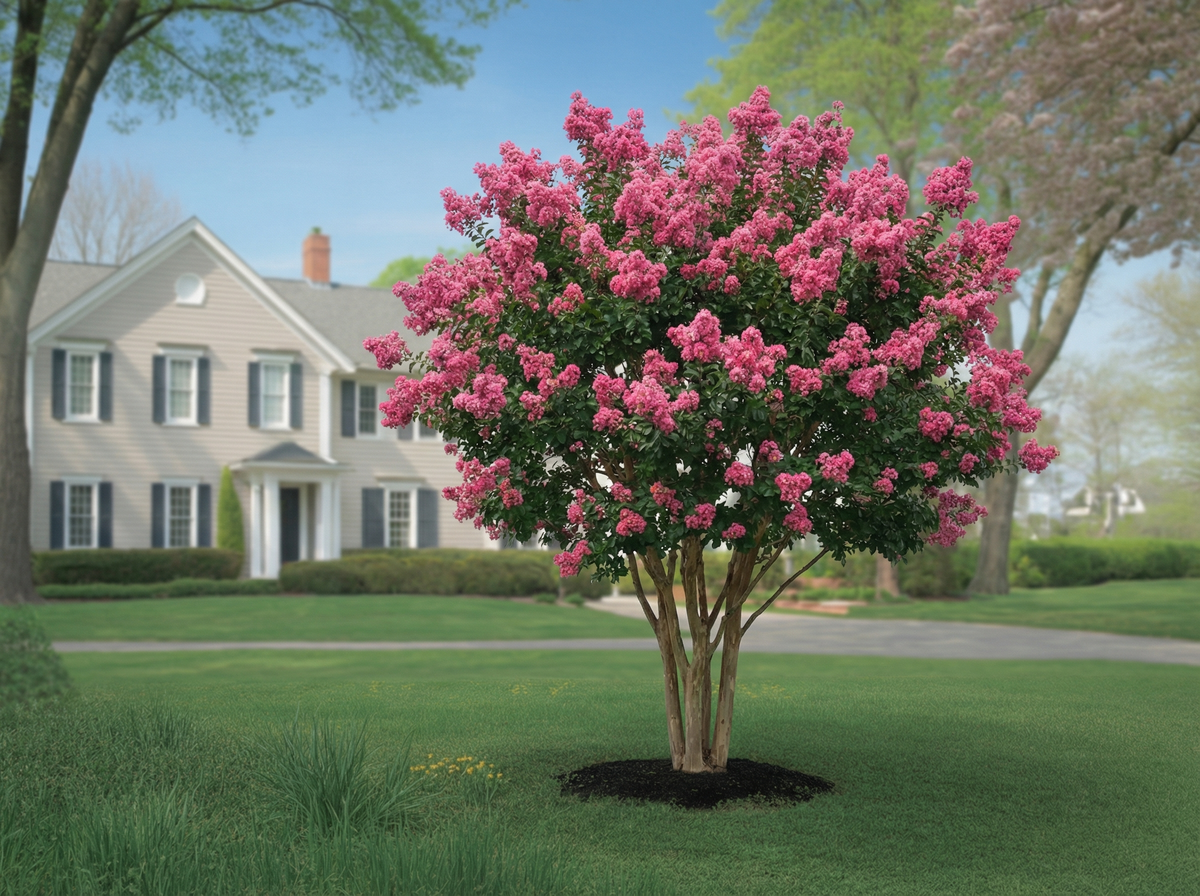
Often a victim of “crape murder”—the aggressive topping of branches—crape myrtles require a more delicate touch. The best practice is to thin out crossing branches and suckers from the base. Lightly shape the canopy and remove spent flower heads to encourage a second bloom. This preserves their beautiful, natural vase-like shape and promotes healthy flowering year after year.
Dogwoods
As North Carolina’s state flower, the dogwood is a beloved feature in our landscapes. These trees are sensitive and should only be pruned lightly after they finish flowering in the spring. The focus should be on removing dead or diseased wood and any branches that cross or rub against each other. Heavy pruning can stress dogwoods and make them susceptible to borers.
Maple Trees (Red and Sugar)
Maples are prone to “bleeding” sap if pruned in late winter or early spring. While this is not harmful, it can be alarming. It’s best to prune maples in mid-summer when the sap flow has slowed, or during full dormancy in the winter. Focus on structural pruning when the tree is young to prevent weak, V-shaped crotches that can split later in life.
Signs Your Tree is Crying for Help
Trees often show subtle signs of distress long before a major problem occurs. Being able to recognize these signals can help you take action before it’s too late.
- Dead or Dying Branches: Look for branches with no leaves, peeling bark, or a dry, brittle appearance. These are hazards and should be removed promptly.
- Crossing or Rubbing Branches: When two branches grow into each other, they create wounds in the bark that serve as entry points for pests and disease. One of the branches should be removed.
- Sudden Increase in Fungus or Pests: A sudden appearance of mushrooms on the trunk or an infestation of insects can indicate that the tree is under stress and its defenses are weakened.
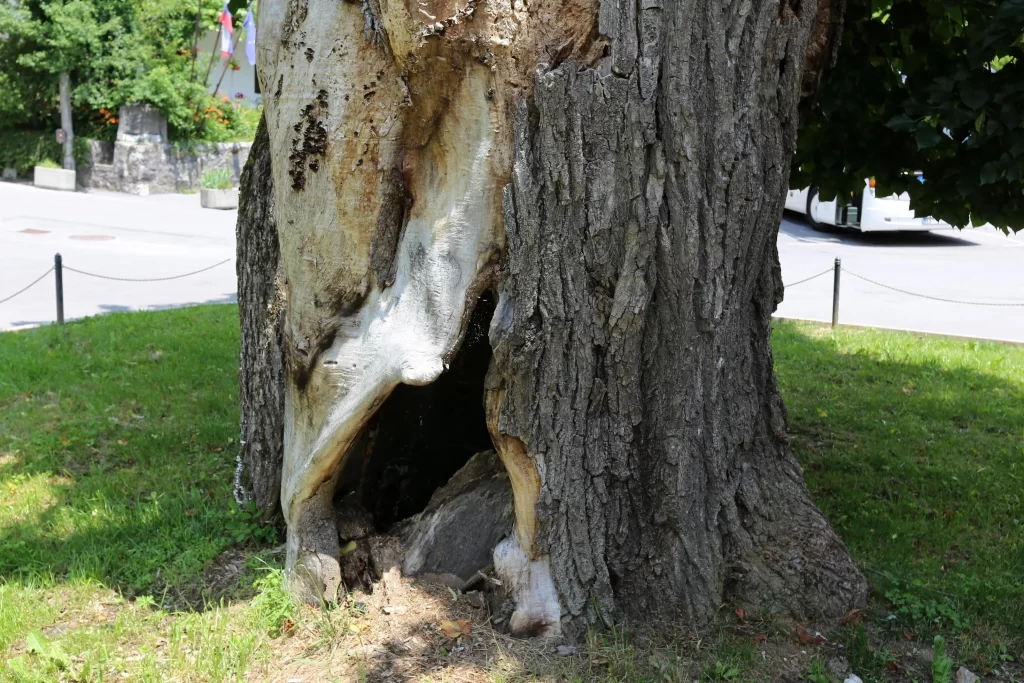
- Cracks or Splits in the Trunk: Deep cracks in the trunk or at the junction of major limbs are serious structural defects that require immediate professional assessment.
- Canopy Dieback: If the leaves at the top of the tree start to die and fall off while the lower branches seem fine, it could signal root problems, soil compaction, or disease.
- Unusual Leaf Color or Size: Yellowing leaves (chlorosis) during the growing season, or leaves that are unusually small, can indicate nutrient deficiencies or root damage.
The AAA Tree Experts Difference: Professional Care for Your Landscape
While some minor pruning can be a DIY task, significant tree work is dangerous and requires specialized knowledge and equipment. A professional arborist brings expertise that protects both your trees and your property.
At AAA Tree Experts, our certified arborists are trained in the latest techniques for tree health and safety. We understand the specific challenges and needs of trees in the Charlotte area. When you partner with us, you are not just hiring a tree trimming service; you are investing in the long-term health of your landscape.
Our process begins with a thorough inspection and consultation. We assess the health, structure, and position of each tree to develop a customized care plan. We can distinguish between a branch that needs to be removed and one that can be saved. Our team uses state-of-the-art equipment to perform pruning safely and efficiently, ensuring clean cuts that promote rapid healing. We are fully licensed and insured, giving you complete peace of mind.
From precise structural pruning on a young tree to complex rigging to remove hazardous limbs from over your home, we handle every job with professionalism and a commitment to excellence. Let us help you ensure your trees remain a beautiful, safe, and valuable part of your Charlotte home.