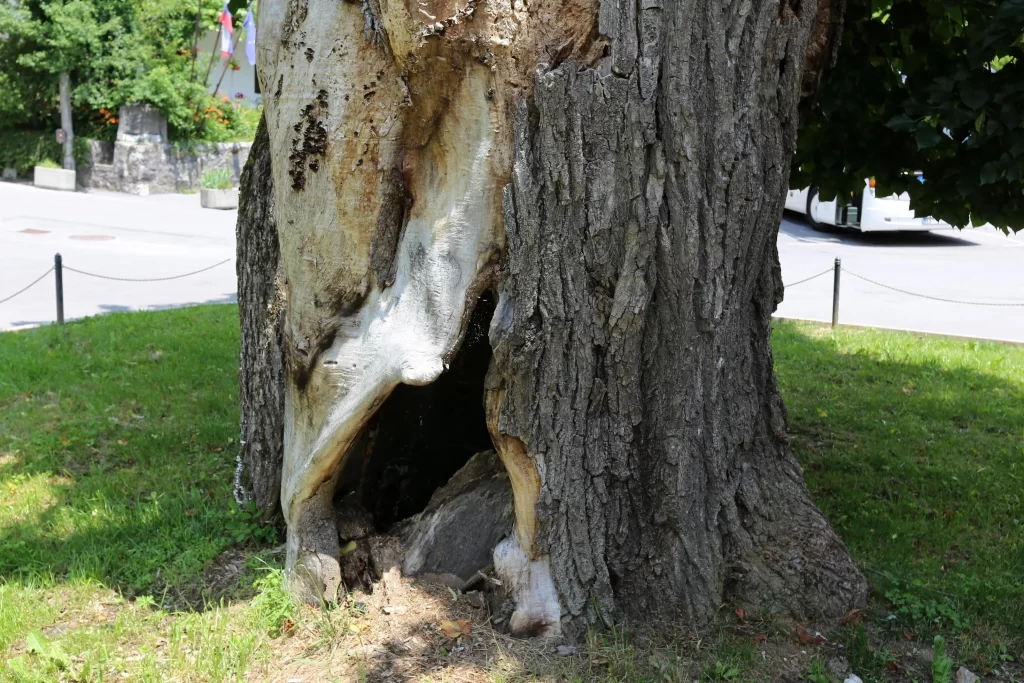
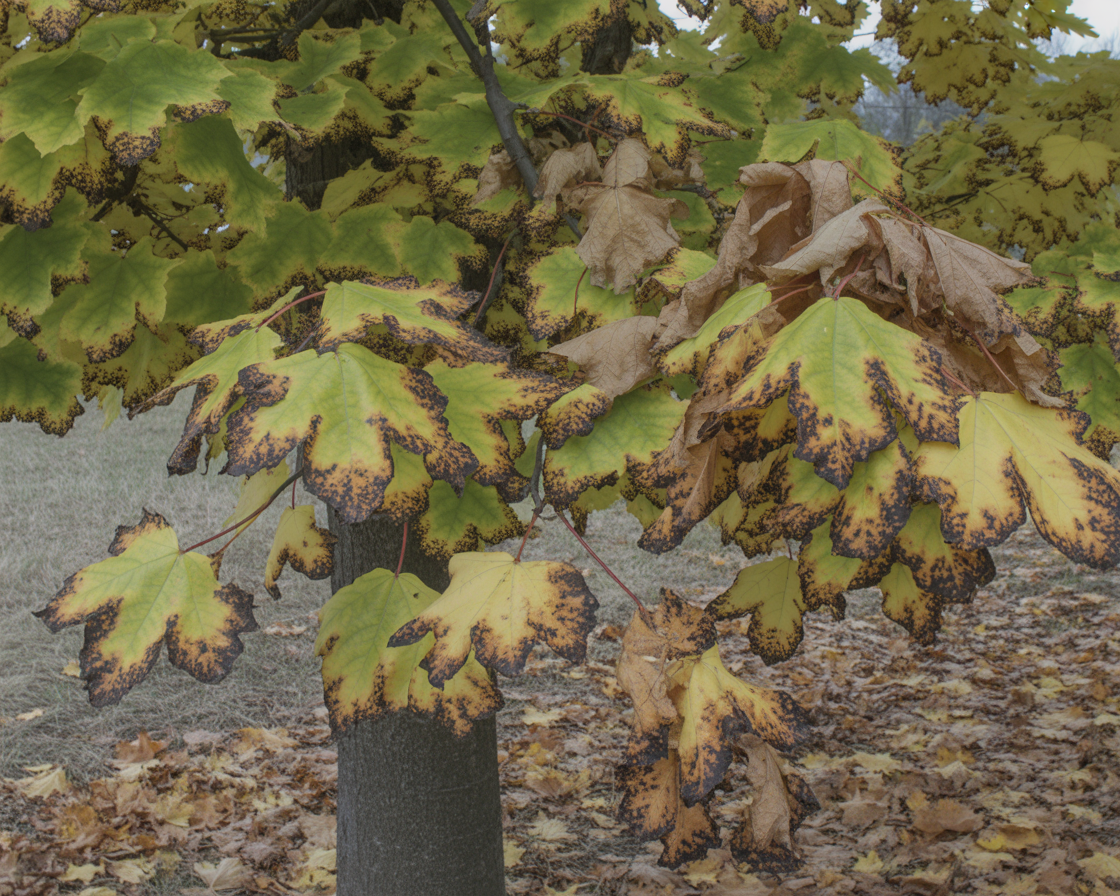
The distinct climate of Charlotte—humid subtropical summers and relatively mild winters—creates a paradise for a lush, green canopy. It’s why we love living in the “Queen City.” However, that same climate also fosters an ideal breeding ground for fungi, bacteria, and pests that can ravage our local trees. A walk through your backyard might reveal discolored leaves, odd growths on trunks, or branches that seem to die back for no reason. These aren’t just cosmetic issues; they are often the silent alarms of a tree in distress.
Ignoring these signs can be costly, both for your landscape’s aesthetic and your wallet. Healthy trees add significant value to property, while sick or dying trees pose dangerous risks during our frequent thunderstorms. This guide explores the most prevalent tree diseases in the Charlotte area, offering expert insight on how to identify them early and what steps you must take to save your trees before it’s too late.
Understanding Charlotte’s Unique Tree Environment
Before diving into specific diseases, it is crucial to understand why our trees get sick. Charlotte’s heavy clay soil, notorious in North Carolina, plays a significant role. Clay holds water exceptionally well, which can be a double-edged sword. In rainy seasons, roots can suffocate in waterlogged soil, promoting root rot. In droughts, clay hardens like concrete, stressing trees and making them vulnerable to opportunistic infections.
Furthermore, our urban canopy faces stress from construction, soil compaction, and pollution. A stressed tree is like a human with a compromised immune system—it catches diseases that a healthy tree would easily fight off.
1. Phytophthora Root Rot: The Silent Killer
One of the most devastating issues in Charlotte’s heavy clay soils is Phytophthora Root Rot. This is a soil-borne water mold that attacks the roots of trees and shrubs, preventing them from absorbing water and nutrients.
How to Spot It
Because the damage happens underground, early detection is difficult. Above ground, you will see symptoms that mimic drought stress, which confuses many homeowners. Look for:
- Yellowing or browning leaves that are smaller than normal.
- Canopy thinning or dieback starting from the top down.
- Dark, wet-looking stains on the trunk near the soil line.
Prevention and Treatment
Prevention: The best defense is proper drainage. Avoid overwatering, especially if you have clay soil. When planting new trees, ensure they are species tolerant of wet feet if your yard has poor drainage, or amend the soil with organic matter to improve aeration.
Treatment: Once established, Phytophthora is hard to cure. Fungicide soil drenches containing phosphorus acid can suppress the disease, but they rarely eliminate it completely. If a tree is severely infected, removal is often the safest option to prevent spread.
2. Seiridium Canker: The Enemy of Leyland Cypress
If you have a row of Leyland Cypress trees for privacy—a very common sight in Charlotte suburbs—you need to know about Seiridium Canker. This fungal disease is the primary reason these popular screening trees turn brown and die.
How to Spot It
The symptoms are distinctive and alarming:
- Individual branches turn reddish-brown and die, often scattered randomly throughout the tree (a look often called “flagging”).
- Sunken, dark patches (cankers) appear on the bark of stems or branches.
- Resin or sap oozing excessively from these cankers.
Prevention and Treatment
Prevention: Stress is the main trigger. Leyland Cypresses are drought-sensitive. Mulch around the base (but not touching the trunk) to retain moisture and water them deeply during Charlotte’s dry summer spells.
Treatment: There is no chemical cure for Seiridium Canker. The only effective treatment is sanitation. You must prune out infected branches at least 3-4 inches below the visible canker. Sterilize your pruning shears with rubbing alcohol between every single cut to avoid spreading the fungus to healthy parts of the tree. If the trunk is cankered, the tree likely needs to be removed.
3. Anthracnose: The Shade Tree Nuisance
Anthracnose is a group of fungal diseases that affect many shade trees common in North Carolina, including Dogwoods, Sycamores, Oaks, and Maples. It thrives in our cool, wet spring weather.
How to Spot It
While usually not fatal to mature trees, it looks ugly and weakens the tree over time. Signs include:
- Irregular brown or tan spots on leaves, often along the veins.
- Leaf curling or distortion.
- Premature leaf drop in late spring.
- Twig dieback in severe cases (especially in Dogwoods and Sycamores).
Prevention and Treatment
Prevention: Keep trees vigorous with proper fertilization. Rake up and destroy fallen leaves in the autumn, as the fungus overwinters in leaf litter. Prune trees to increase airflow through the canopy, which helps leaves dry out faster after rain.
Treatment: For large, established shade trees, treatment is rarely necessary as they will push out a second flush of leaves. However, for smaller specimen trees like Dogwoods, preventative fungicide sprays applied in early spring just as buds break can protect new growth.
4. Oak Wilt: A Rapid Threat
Though less common than Anthracnose, Oak Wilt is far more deadly. It is a systemic fungal disease that clogs the water-conducting vessels of oak trees, causing them to wilt and die rapidly. Red Oaks are particularly susceptible and can die within weeks of infection.
How to Spot It
- Leaf discoloration starting at the tips and margins, moving inward.
- Sudden wilting of the canopy, often in early summer.
- Heavy leaf drop while leaves are still partially green.
- Fungal mats forming under the bark, which may crack the bark open.
Prevention and Treatment
Prevention: Avoid pruning oaks during the active growing season (April through July) when the beetles that spread the fungus are active. If you must prune due to storm damage, seal the wounds immediately with latex paint or pruning sealer.
Treatment: Fungicide injections (specifically Propiconazole) administered by a certified arborist can help susceptible oaks if treated preventatively or in the very early stages. Unfortunately, once a Red Oak shows significant symptoms, it is usually too late to save.
5. Powdery Mildew: The Cosmetic Blight
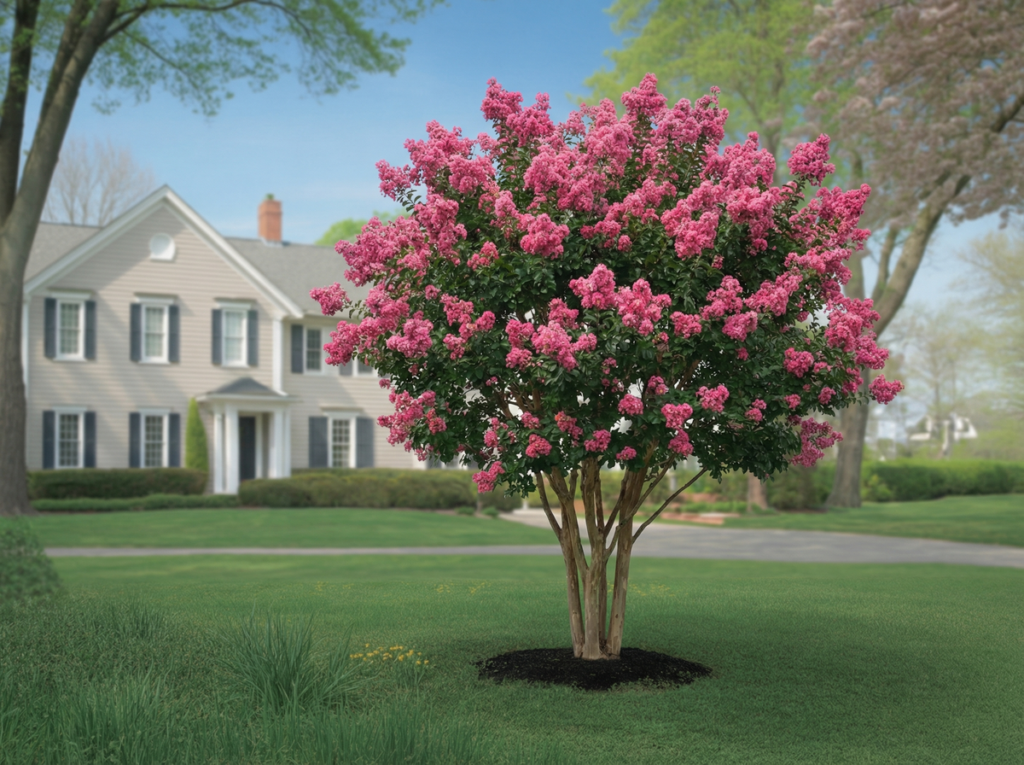
You have likely seen this on your Crepe Myrtles, Dogwoods, or Lilacs. Powdery mildew is incredibly common in Charlotte’s humid climate.
How to Spot It
It is unmistakable:
- White or gray powdery growth on the surfaces of leaves, stems, and flower buds.
- New growth may be stunted or twisted.
- Flower buds may fail to open.
Prevention and Treatment
Prevention: Plant resistant varieties whenever possible (many modern Crepe Myrtles are bred for resistance). Ensure full sun exposure for susceptible plants, as the fungus thrives in shady, damp areas.
Treatment: Neem oil or horticultural oils are effective organic treatments if caught early. For severe infections, systemic fungicides may be required. Unlike many other fungi, powdery mildew does not require liquid water to spread—just high humidity—so keeping foliage dry isn’t a guaranteed fix, but air circulation is key.
6. Hypoxylon Canker: The Sign of a Dying Tree
This is a disease of opportunity. Hypoxylon Canker attacks trees that are already severely stressed by drought, root injury, or construction damage. It is common on Oaks, Hickories, and Pecans in the Piedmont region.
How to Spot It
- Dieback in the canopy.
- Bark sloughing off to reveal a hard, crusty fungal mat underneath.
- Fungal mats vary in color from silver-gray to black as they age.
Prevention and Treatment
Prevention: The only prevention is maintaining overall tree health. Water trees during droughts and protect the “critical root zone” during any home renovations or construction.
Treatment: There is no cure. Once you see the fungal mats of Hypoxylon Canker on the trunk or large branches, the tree’s structural integrity is compromised. It has become a hazard tree and should be removed by a professional immediately to prevent it from falling on your home.
Strategies for a Healthy Charlotte Landscape
Combatting tree disease isn’t just about reacting to problems; it is about proactive stewardship. Here is a checklist for Charlotte homeowners:
- Right Tree, Right Place: Don’t plant a water-loving River Birch in a dry, upland spot, and don’t put a Dogwood in full, scorching afternoon sun.
- Mulch Correctly: Create a “donut” of mulch around trees—3 inches deep, but pulled back from the trunk. This keeps mower blades away and retains moisture.
- Water Deeply: Frequent, shallow sprinkling encourages weak surface roots. Water deeply once a week during dry spells to encourage deep root growth.
- Soil Testing: Contact the NC Cooperative Extension for a soil test kit. Knowing your soil pH and nutrient levels allows you to fertilize correctly, boosting tree immunity.
When to Call a Professional
While homeowners can handle minor issues like powdery mildew, many tree diseases require professional intervention. Diagnosing tree problems can be complex because different diseases often present similar symptoms. If you see rapid dieback, large fungal growths on the trunk, or if you are unsure about the safety of a tree, contact an ISA Certified Arborist. They have the training to diagnose the root cause and prescribe specific treatments that are not available to the general public.
5 Frequently Asked Questions (FAQs) About Tree Disease in Charlotte, NC
1. Why are my Leyland Cypress trees turning brown from the inside out?
If the browning is strictly on the inner needles, it might be natural shedding. However, if entire branches are turning brown and dying, especially with resin oozing from the bark, it is likely Seiridium Canker. This is the most common disease for this species in our area. Immediate pruning of affected limbs is required to slow the spread.
2. Can I save a tree that has mushrooms growing at the base?
Usually, no. Mushrooms growing at the base of a tree or on surface roots are often the fruiting bodies of decay fungi, such as Armillaria (root rot). This indicates that the roots or the base of the trunk are rotting internally. While the tree might look green in the canopy for a while, its structural stability is likely compromised, making it dangerous. Consult an arborist for a risk assessment.
3. My Dogwood leaves have spots and are curling up. Is it dying?
It is likely Dogwood Anthracnose or Powdery Mildew, especially if the spring has been wet. While unsightly, it rarely kills an established tree in one season. Ensure the tree is mulched and watered during dry spells to reduce stress. If the tree is losing branches, however, the infection may be more severe and require fungicide treatment.
4. Is it safe to prune my Oak trees in the summer in North Carolina?
It is generally recommended to avoid pruning oaks from April to July in North Carolina. This is when the sap beetles that spread Oak Wilt are most active. Fresh pruning cuts attract these beetles. The safest time to prune oaks is during the dormant season, typically November through February.
5. What are the sticky droplets falling from my Crepe Myrtle or Oak tree?
This is likely “honeydew,” which is not a disease itself but a sign of a pest infestation, usually aphids or scale insects. These pests suck sap from the tree and excrete the sticky substance. This honeydew often leads to “Sooty Mold,” a black fungus that grows on the sticky residue. Treating the insect infestation will stop the honeydew and the mold.
Learn more about AAA Tree Experts.