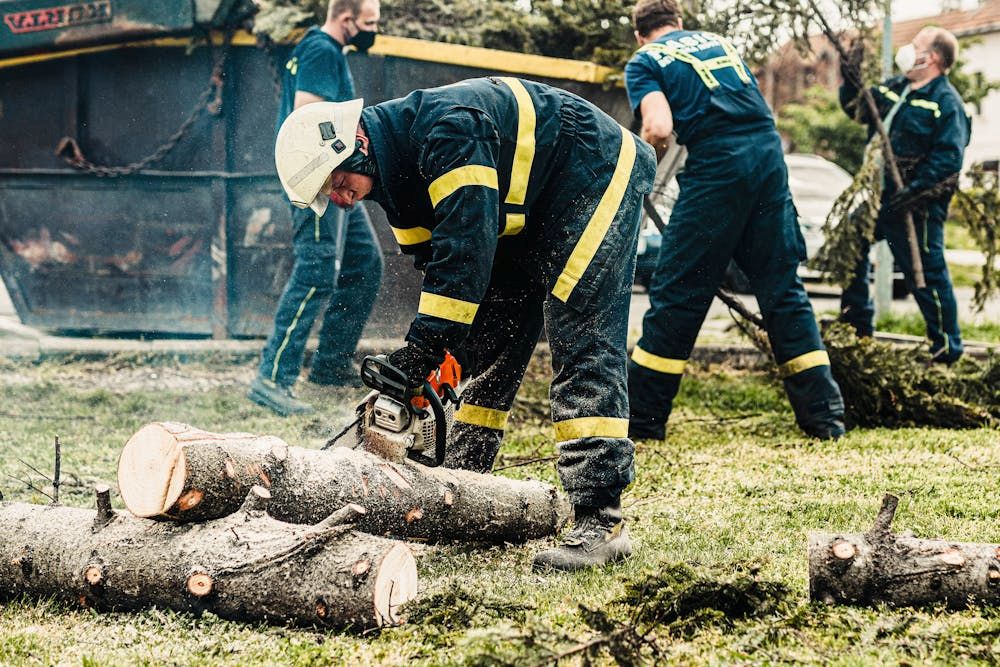
When a tree starts looking damaged, overgrown, or unsafe, it is not always obvious whether trimming will solve the problem or whether removal is the safer choice.
Tree removal is the better choice when a tree is dead, structurally unstable, severely diseased, storm-damaged, or located where failure could harm people, homes, vehicles, utilities, or business operations. Tree trimming is often enough when the issue is limited to manageable branches, clearance, shape, or routine maintenance. You should consider a certified arborist’s advice if the cause is unclear.
Start by identifying what the tree actually needs
Tree trimming, also called pruning, means selectively removing branches to improve structure, clearance, health, or appearance. The International Society of Arboriculture notes that pruning can reduce defective branches, but improper pruning may weaken a tree, which is why complex pruning is best handled by a qualified arborist.
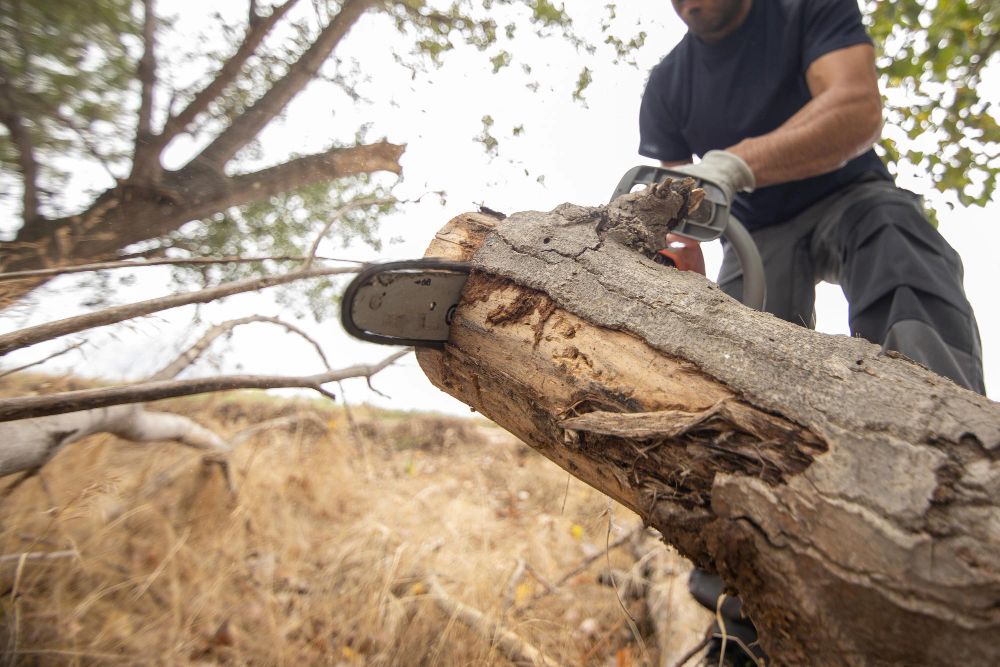
Tree removal means taking down the whole tree when preservation is no longer practical, safe, or appropriate. Removal may be considered when the tree is dead, dying, severely damaged, interfering with a construction plan, or creating an unacceptable risk that cannot reasonably be reduced through pruning, cabling, plant health care, or target management.
For example, a healthy oak with low branches over a driveway may need pruning. A tree with a split trunk, extensive decay, and a lean toward a house may need removal.
Trimming and removal solve different problems
A common misunderstanding is that trimming can “fix” almost any tree problem. In practice, pruning can remove dead limbs, improve clearance, reduce certain defects, and support long-term structure. It cannot restore a compromised root system, reverse major trunk decay, or make a failing tree structurally sound.
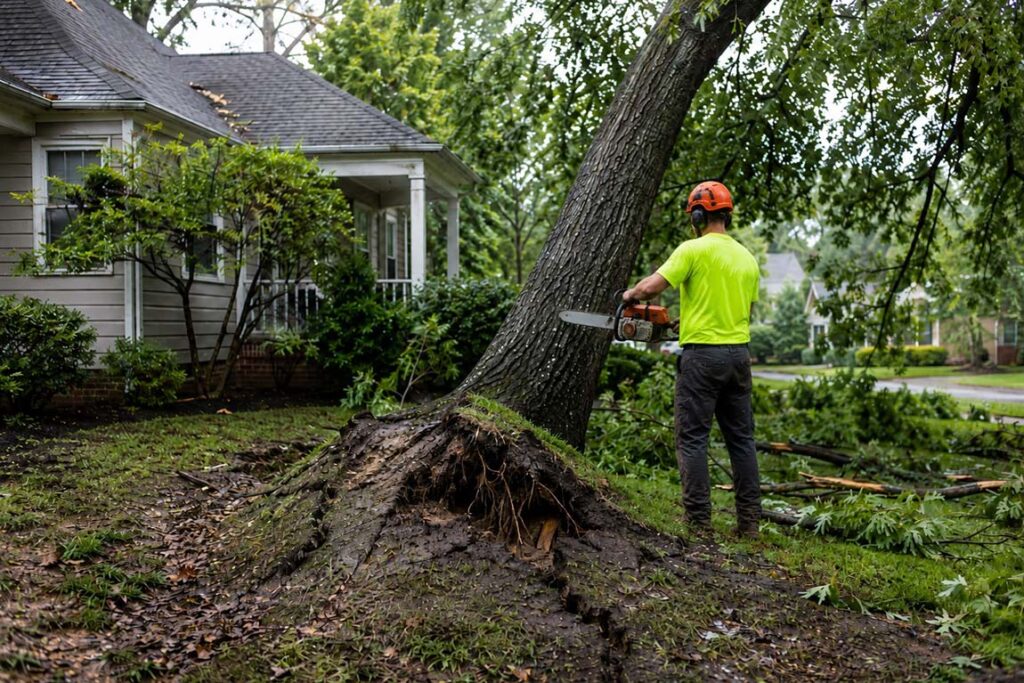
North Carolina State Extension advises that some storm-related problems can be addressed with proper pruning, while other problems cannot be corrected and may call for tree removal to prevent further storm damage. That distinction matters in Charlotte, where thunderstorms, saturated soils, wind, and aging urban trees can combine to create risk around homes, parking areas, sidewalks, and commercial buildings.
Warning signs that trimming may not be enough
Removal becomes more likely when there is evidence that the whole tree, not just a few branches, is compromised. Examples include
- A dead tree
- A large trunk cavity
- Fungal growth near the base
- Lifting soil around roots
- A sudden lean
- Multiple major dead limbs
- A cracked or split trunk, or
- Storm damage that removed much of the canopy
| Situation | What it may suggest | Sensible next step |
|---|---|---|
| One or two dead limbs on an otherwise healthy tree | Localized branch issue | Ask about pruning and routine maintenance |
| Tree is dead or mostly dead | Declining structure and increasing failure risk | Schedule a removal assessment |
| Sudden lean after heavy rain or wind | Possible root plate movement | Keep people away and call promptly |
| Large split, cavity, or fungal growth at trunk/base | Possible structural decay | Request arborist evaluation |
| Branches touching roof, vehicles, or signs | Clearance issue, not necessarily removal | Consider professional trimming |
| Tree on a house, driveway, or utility area | Active safety concern | Use emergency tree service, not DIY work |
For a broader look at how tree permits, safety concerns, and arborist evaluations fit together in Charlotte, see our 2026 homeowner guide, Tree Service in Charlotte, NC: Permits, Safety, and When to Call an Arborist.
How to decide between trimming, treatment, and removal
Some minor tree issues can be managed with observation, watering, mulching, or simple ground-level cleanup. Homeowners can often document changes, remove small fallen debris, and keep people away from obvious hazards.
A simpler, lower-cost option may be enough when the tree is structurally sound, and the problem is limited to clearance, light, deadwood, or shaping. In that case, AAA Tree Experts may recommend expert pruning, plant health care, shrub service, or soil support such as deep root soil amendment rather than removal.
AAA Tree Experts provides certified arborist services, tree risk assessment, expert pruning, safe tree removal, stump grinding, commercial tree service, residential tree service, and 24/7 emergency response in the Charlotte area.
Frequently Asked Questions:
How do I know if my Charlotte tree needs removal instead of trimming?
Removal is worth considering when the tree is dead, unstable, severely decayed, storm-damaged, or positioned where failure could cause serious harm. Trimming is more likely when the tree is otherwise healthy and the issue is limited to branches.
Is tree trimming cheaper than tree removal?
Often, but not always. Cost depends on size, access, equipment, risk, cleanup, disposal, stump grinding, and whether emergency service is needed. A site-specific quote is more reliable than a general price range.
Can a storm-damaged tree be saved?
Sometimes. Some storm problems can be corrected with pruning, while others cannot. A certified arborist can assess canopy loss, trunk damage, root movement, and future risk.
Do I need a permit to remove a tree in Charlotte?
Not every tree removal requires the same process, but requirements can vary. Healthy heritage trees, development contexts, HOAs, and municipal rules may change what is allowed. Check current requirements before removal.
What should I ask before hiring a tree removal company?
Ask whether the company is insured, whether an arborist will assess the tree, how the work will be performed, what cleanup includes, whether stump grinding is included, and whether local requirements may apply.
You can request an appointment or contact AAA Tree Experts for a free estimate or 24/7 emergency tree service call to understand whether trimming, treatment, risk reduction, or removal is the right next step for your Charlotte-area property.