Quick answer: Stump grinding removes tree stumps below ground level using specialized equipment, preventing regrowth, pest infestations, and tripping hazards. Charlotte homeowners benefit most from professional stump grinding paired with root management due to the area’s clay-heavy soil, humid climate, and frequent storm damage, which can leave stumps and surface roots behind after tree removal.
Charlotte’s lush tree canopy is one of the city’s biggest selling points. Mature oaks, maples, and pines line neighborhoods from Myers Park to NoDa, offering shade, curb appeal, and a sense of established character. But when a tree comes down, whether from storm damage, disease, or simple age, the stump left behind can quickly become more than an eyesore.
Leftover stumps attract termites and other wood-boring insects, create tripping hazards in your yard, and can even sprout new, unwanted growth. Add in Charlotte’s notoriously dense clay soil and unpredictable severe weather, and stump removal becomes less of a cosmetic choice and more of a practical necessity.
This guide walks you through why stump grinding matters, what makes Charlotte properties uniquely challenging, and how to manage root systems effectively after tree removal. By the end, you’ll know exactly what to expect and how to protect your property long after the stump is gone.
Why Stump Grinding Matters for Charlotte Homeowners
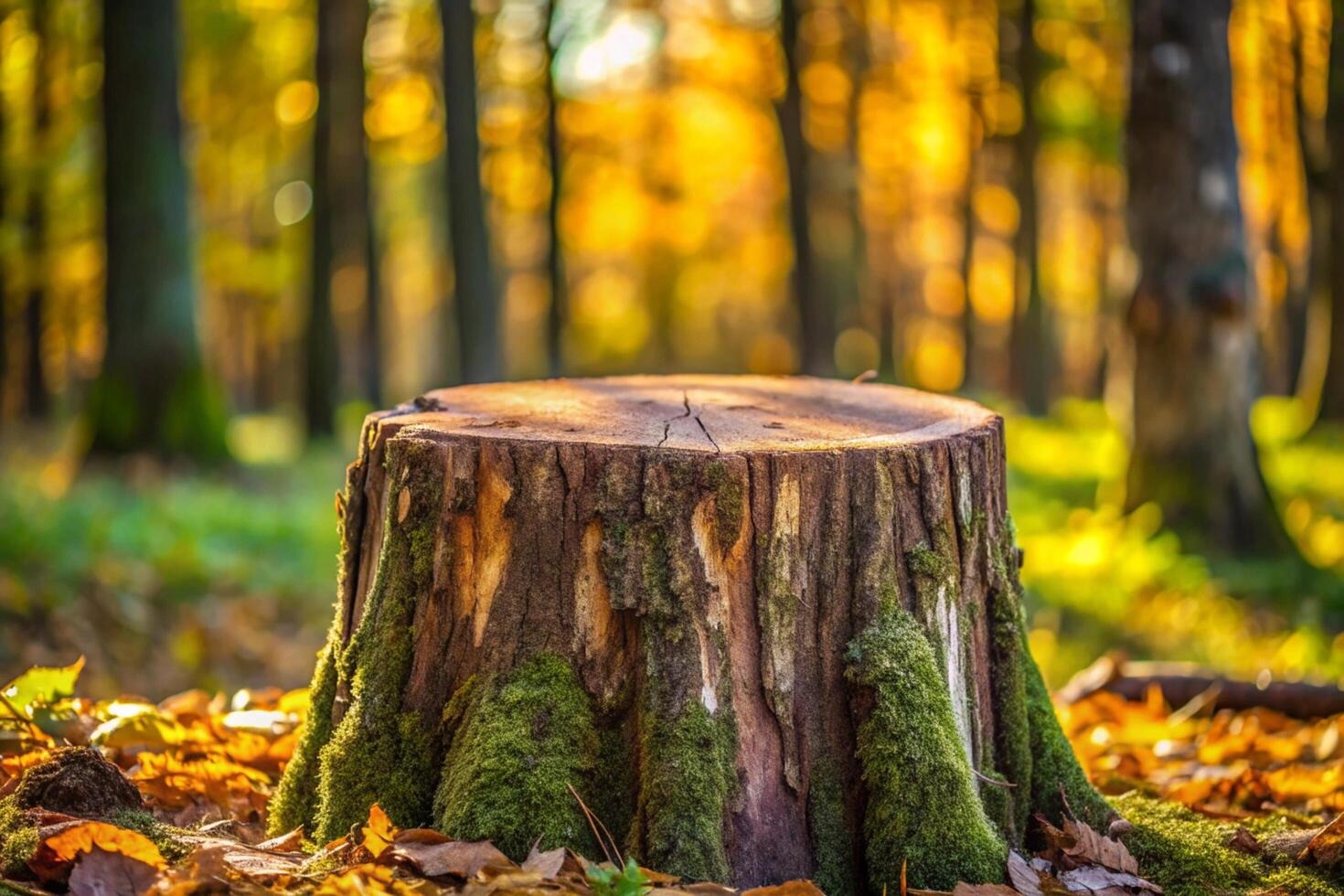
Stump grinding is the process of mechanically shredding a tree stump into wood chips, typically several inches below the soil surface. Unlike stump removal, which pulls the entire root ball out of the ground, grinding is faster, less invasive, and leaves your landscaping largely intact.
For Charlotte homeowners, stump grinding solves several practical problems:
- Pest prevention: Decaying stumps are a magnet for termites, carpenter ants, and beetles. Left untreated, these pests can migrate from the stump to nearby structures, including your home.
- Safety: Stumps hidden in overgrown grass are a common cause of lawn mower damage and trip-and-fall injuries, especially for families with children or older adults.
- Property value: A yard cluttered with stumps signals deferred maintenance to potential buyers. Grinding stumps and restoring the lawn improves curb appeal and supports resale value.
- Space for new growth: Removing the stump completely allows homeowners to replant, landscape, or expand usable yard space without obstruction.
Choose professional stump grinding if you want a faster, more affordable solution that preserves your existing landscaping. Choose full stump and root removal if you plan to build, pave, or plant large trees in that exact spot, since some roots may remain underground after grinding alone.
Charlotte-Specific Factors: Soil, Climate, and Storm Impacts
Charlotte’s growing conditions create a unique set of challenges that homeowners in other regions may not face. Understanding these factors helps explain why stump grinding and root management require a tailored approach here.
How does Charlotte’s clay soil affect stump grinding?
Charlotte sits on the Piedmont region’s signature red clay, a dense, compact soil type that drains slowly and hardens significantly during dry spells. This matters for two reasons. First, clay soil often causes tree roots to spread wide and shallow rather than deep, since roots struggle to penetrate compacted layers. Second, shallow root systems mean more surface roots to manage after a tree is removed, and these roots can extend much farther than the stump itself.
Homeowners should expect root systems in Charlotte to spread laterally, sometimes 20 feet or more from the original trunk, depending on the tree species and age.
How does Charlotte’s climate influence tree and stump decay?
Charlotte’s humid subtropical climate, with hot, muggy summers and mild winters, accelerates organic decomposition. While that’s good news for breaking down wood chips and mulch, it also means abandoned stumps decay unevenly, often becoming soft and hollow on the outside while remaining structurally intact underneath. This inconsistency makes stumps harder to grind without professional-grade equipment, since operators need to account for varying density within the same stump.
How do storms affect stump and root management in Charlotte?
North Carolina’s Piedmont region sees its fair share of severe weather, from summer thunderstorms to the remnants of Atlantic hurricanes that track inland. Charlotte homeowners frequently deal with trees toppled by high winds or weakened by saturated soil after heavy rainfall.
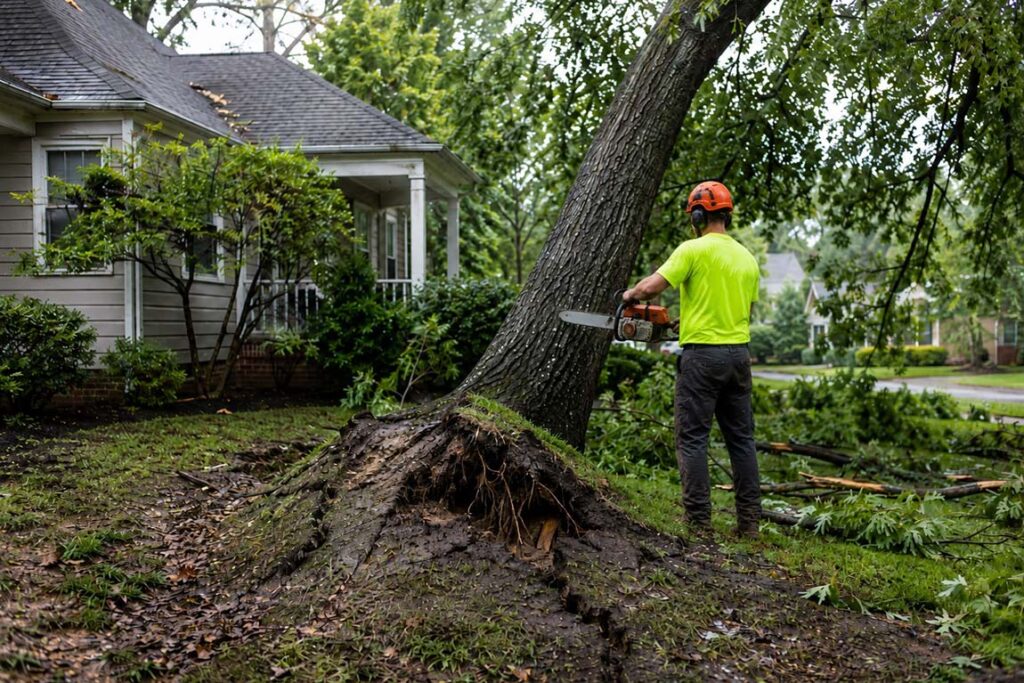
Storm-damaged trees often snap rather than uproot cleanly, leaving behind jagged, unstable stumps with compromised root systems. These stumps require careful assessment before grinding, since unstable roots can shift unexpectedly during the process. If your tree came down during a storm, it’s worth having a professional inspect the root system for signs of rot or structural weakness before scheduling grinding services.
Common Questions About Stump Grinding and Root Management
How much does stump grinding cost in Charlotte, NC?
Stump grinding costs typically depend on stump diameter, root spread, and accessibility. Smaller stumps (under 12 inches in diameter) generally cost less than large, established stumps from mature oaks or pines. Properties with difficult access, such as backyards without equipment entry points, may incur additional fees. Request a site-specific quote from a local provider for accurate pricing.
How long does stump grinding take?
Most residential stump grinding jobs take between 30 minutes and a few hours, depending on stump size and root complexity. Charlotte’s clay soil can sometimes extend grinding time slightly, since roots may spread wider than expected and require additional passes with the grinder.
Will stump grinding kill the root system completely?
Not always. Stump grinding destroys the visible stump and the roots closest to the surface, but deeper roots may remain alive, particularly for species known for vigorous root systems, such as sweetgum or willow oak. In these cases, homeowners may notice small sprouts, called suckers, emerging from the ground for a season or two afterward. Applying a root-killing treatment immediately after grinding helps prevent this regrowth.
Can I plant a new tree where a stump was ground?
Yes, but timing matters. Wait until the wood chips have decomposed and you’ve amended the soil with fresh topsoil, since fresh wood chips can temporarily rob nitrogen from the soil as they break down. For best results, wait at least a few weeks to a few months before planting, depending on how quickly the area needs to be replanted.
Is stump grinding bad for the environment?
Stump grinding is generally considered an eco-friendly alternative to chemical stump removal or excavation. The resulting wood chips can be repurposed as mulch, and the process avoids the heavy equipment and soil disruption associated with full stump and root ball extraction.
Root Management Best Practices After Tree Removal
Grinding the stump is only part of the equation. Managing the remaining root system protects your lawn, garden beds, hardscaping, and even your home’s foundation from long-term damage. Follow these steps for effective root management:
- Assess root spread before grinding. Have a professional map out the root system’s likely spread based on tree species and age. This helps avoid damaging nearby utility lines, irrigation systems, or hardscaping during the grinding process.
- Treat remaining roots to prevent regrowth. For trees known to sucker, such as Bradford pear or sweetgum, apply an appropriate root treatment immediately after grinding to stop new shoots from emerging.
- Backfill and amend the soil. Charlotte’s clay soil benefits from added organic matter after stump removal. Mixing in compost or topsoil improves drainage and prepares the area for new grass, plants, or landscaping features.
- Monitor for several growing seasons. Some root systems, especially from large, mature trees, take a year or more to fully decompose. Keep an eye out for sunken areas in the lawn as roots break down underground, and add soil as needed to maintain an even surface.
- Address nearby hardscaping carefully. If roots have grown near a driveway, patio, or foundation, consult a professional before removal. Cutting large structural roots without guidance can affect the stability of your home’s foundation or create drainage issues.
- Plan replanting strategically. If you’re replanting in the same area, choose species with root systems suited to Charlotte’s clay soil, and position new trees away from original root zones to avoid competition for nutrients and space.
Restoring Your Charlotte Property, One Step at a Time
Stump grinding and root management go hand in hand when it comes to fully restoring your property after tree removal. In Charlotte, where dense clay soil, humid summers, and storm-driven tree loss are common realities, taking a thoughtful approach to both stump grinding and root cleanup pays off in safety, curb appeal, and long-term landscaping success.
Whether you’re dealing with a single stump from a storm-damaged tree or planning a larger yard renovation, start by assessing the root spread, choosing the right removal method for your goals, and following up with proper soil care. With the right plan, your yard can go from cluttered and uneven to a clean, usable space ready for whatever you plant next.
Learn more about AAA Tree Experts.