
Trees are one of nature’s ways of caring for humans. They provide us with shade and a little awe if you sit back and just stare at them. They provide habitat for wildlife and, in groups, can also help buffer wind around a property.
But a tree’s lifespan depends in part on how well we care for them. How do you know when it’s time to give a tree a trim? And how much does tree trimming cost?
By the time you’ve finished reading this article, you will understand current trimming costs in Charlotte NC, what changes a quote, and how you can best care for your trees.
Key Points:
- Professional tree trimming in Charlotte, NC often costs a few hundred dollars per tree, but current national data show a broad range of about $270 to $1,800 for many jobs.
- Small, accessible trees may cost less. Very large or complex trees can reach $2,000 to $2,500 or more.
- Height, access, condition, nearby structures, equipment, cleanup, and the number of trees all affect the final quote.
How Much Does Tree Trimming Cost?
Current national cost data puts many professional tree-trimming jobs between about $270 and $1,800. HomeGuide reports an average range of roughly $400 to $900 per tree, although small jobs can start around $80 and exceptionally large or complex trees can exceed $2,500.
Actual pricing depends on factors such as tree size, access, condition, rigging needs, and cleanup.
| Tree size or complexity | Typical planning range |
| Small / accessible | About $80–$450 |
| Medium | About $200–$1,000 |
| Large / complex | About $500–$2,500+ |
These prices are best treated as per-tree planning ranges. If you have several trees, the total bill will rise, but the average cost per tree may be lower because travel, setup, and equipment time can be shared across the job.
With such varying prices, you may wonder if you even need to call a tree trimming service. You will feel the temptation to simply break out your chain saw and do your own trimming. Small, ground-level pruning may be manageable for some homeowners, but work requiring a ladder, chainsaw, climbing, or rigging is better left to trained professionals.
Do not attempt to just hack away at the branches on your own. If branches are near energized power lines, contact the utility or a qualified line-clearance professional rather than attempting the work yourself.
Factors That Affect Tree Trimming Costs
When you’re preparing to budget for a professional tree trimming service, consider the size of your tree, its location, its accessibility, and the health of your tree. The number of trees you need trimmed will also factor into your final bill. Here’s a breakdown of how these factors affect cost.
1. Height
Larger trees cost more to trim. They require more equipment and ultimately more risk on the part of the tree trimmer. They also require the tree trimmer to calculate how to remove the high branches without negatively affecting any buildings or property beneath the tree.
Tell your tree trimmer upfront how big your trees are so you can get an accurate estimate for the tree trimming fees.
2. Location
Tree location matters as much as tree size. If you have a particularly difficult-to-access tree, the tree trimmer will charge more. They may not be able to use their bucket truck if your tree is inaccessible, and then they will have to climb the tree.
Climbing or hand-rigging can take longer than lift access, but there is no reliable universal percentage surcharge; gates, slope, drop zone, equipment access, and debris handling all affect labor time.
When branches overhang roofs, fences, vehicles, or other targets, crews may need controlled rigging instead of dropping material freely, which can increase labor time. Work near energized power lines requires separate electrical-clearance precautions and, in some cases, utility coordination.
Travel distance can also affect a quote, especially when trucks, a chipper, or an aerial lift must be moved a long way for a small job.
3. Number of Trees Needing a Trim
Tell the tree trimmer up front how many trees you believe you need to have trimmed. When the trimmer comes out to look at the trees, they may notice other trees that need their service. The number of trees that need trimming will drive up the price.
4. Tree Health
The health of the tree also affects the price of tree trimming. An unhealthy tree is more dangerous to trim. A weakened or structurally compromised tree may require closer assessment, additional rigging, or a different treatment plan before pruning begins.
An unhealthy or structurally compromised tree can cost more to trim than a healthy tree. Here are some problems that may increase the scope or complexity of the work:
- Large cracks that may indicate structural weakness or decay
- Fungal fruiting bodies, cavities, or other signs that may be associated with decay
- Weather such as hail, dry spells, frost, and strong wind that cracks limbs and leaves the tree unstable
If the tree is too unhealthy, the trimmer may recommend removing the tree altogether rather than just trimming it. For major structural work or removal, ask an ISA-certified arborist to explain the concern and the available options. A second opinion is reasonable when the recommendation is unclear.
Pest and Disease Status
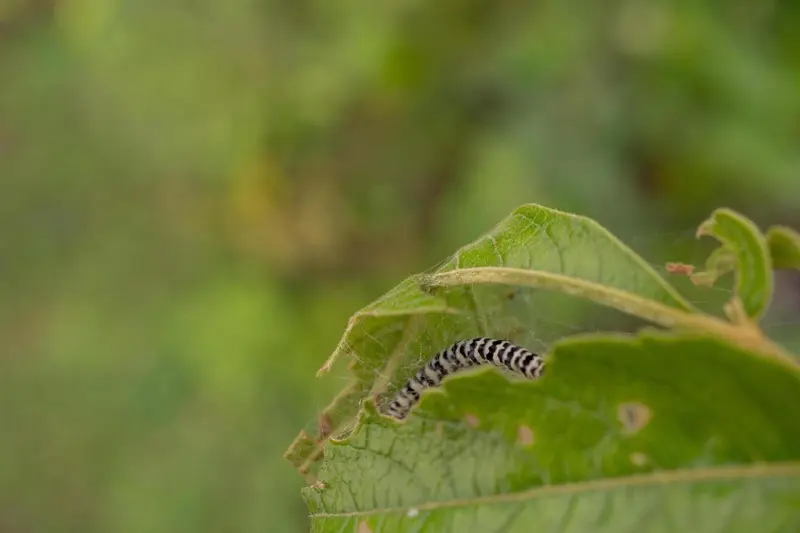
Many small and medium-sized pests can compromise the health of a tree. They cause damage and even kill trees at times. When you contact a tree trimmer, let them know about any pests that you’re aware of.
Look for signs that may point to an insect, disease, or decay problem:
- Borers, scale insects, mites, unusual leaf loss, or dieback
- Fungal growth, cavities, loose bark, or dead wood
- Repeated woodpecker activity, which can sometimes indicate insects beneath the bark but is not proof that the tree is rotting
There may be other wood-destroying pests on your tree. So do a quick visual survey of the tree before you call in a tree trimmer. Share what you observe when you request an estimate, but leave the diagnosis to a qualified arborist when symptoms are unclear.
Tree Maintenance Tips
You can prevent damage to trees and also lower your tree trimming costs if you take care of your trees. Conduct routine maintenance on the trees to keep them healthy. Keep an eye out for pests and fungi that could compromise your tree’s health, and then you can call in a tree expert to stop the problem before it kills your trees.
During dry weather, give established trees a deep watering when the soil starts to dry out. Mulch can help conserve moisture, but keep it away from direct contact with the trunk and avoid piling it deeply around the base.
Avoid topping as a shortcut for reducing height. The International Society of Arboriculture warns that topping can stress trees, promote weak regrowth, and increase decay risk. Proper tree pruning reduces a tree’s size by carefully removing selected branches.
Trim Your Trees with Confidence
Because every tree and property is different, the best way to know what your trimming job will cost is to have the tree assessed by a professional. Consider the height, location, and condition of your trees, and then share this information with the trimmer when you contact them.
Do your trees need a trim? If so, contact us. Our team can assess whether the job calls for routine trimming, selective pruning, or a closer look at tree health and structure.
Frequently Asked Questions
Is tree trimming cheaper in winter?
Sometimes, but not reliably. Seasonal demand, species, weather, and the type of pruning all affect price, so get an estimate for the actual work rather than assuming a winter discount.
How often should mature trees be trimmed?
There is no universal schedule. Species, age, growth rate, location, and tree condition matter; healthy mature trees may often go several years between pruning visits.
Does trimming near power lines cost more?
It can. Work near energized lines may require specialized line-clearance qualifications, utility coordination, and additional setup. Do not attempt DIY trimming near power lines.
Can trimming save a damaged or unhealthy tree?
Sometimes. Pruning can remove broken or defective branches, but it cannot repair major root failure or extensive trunk decay. A tree risk assessment can help determine the right response.
What should I compare in tree trimming estimates?
Compare the scope as well as the price: the trees and branches included, pruning objective, cleanup and hauling, equipment needs, insurance, qualifications, and any exclusions.