




Tree Pruning in Charlotte, NC
Tree pruning is the selective removal of specific branches to improve a tree’s health, structure, and safety, not a cosmetic trim. At AAA Tree Experts, our ISA-certified arborists prune according to ANSI A300 industry standards, targeting the branches that are actually hurting a tree’s long-term health while leaving the rest of the canopy alone.
If you’re trying to decide between pruning and trimming, the short version is this: pruning is about the tree’s health and structure. If you’re mainly trying to keep branches off your roof or driveway, you may want tree trimming instead or read our full pruning vs. trimming comparison if you’re not sure which applies to your tree.
What Tree Pruning Actually Involves
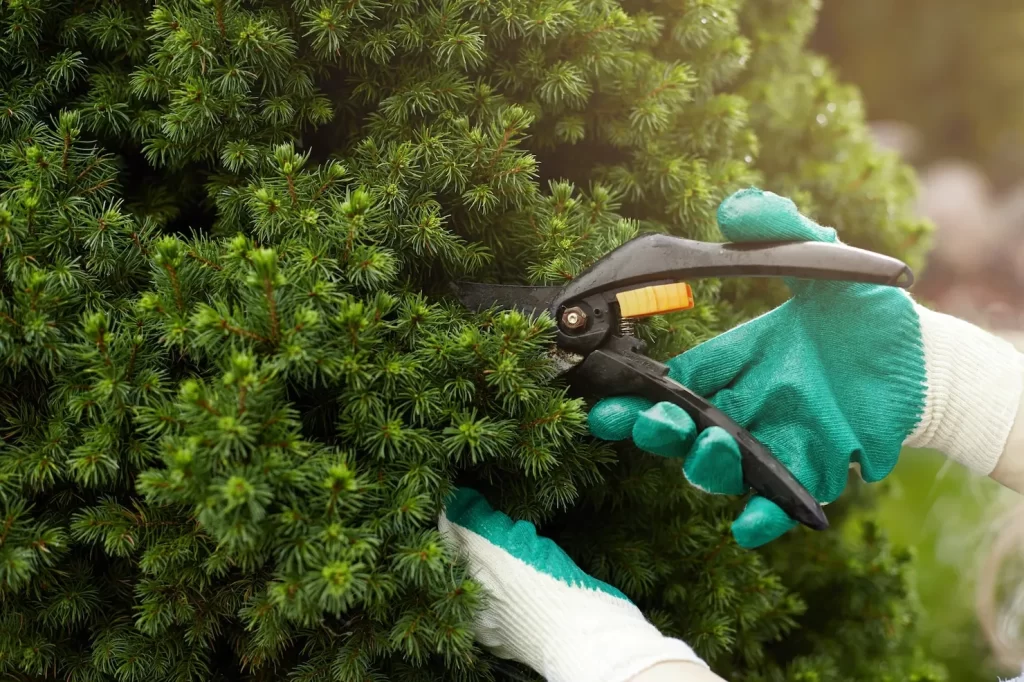
Pruning means removing specific branches, dead wood, disease, weak attachment points, and crossing limbs using cuts placed just outside the branch collar so the tree can seal the wound naturally. It’s slower and more deliberate than a general trim, because every cut is a decision about that individual tree’s structure, not a pass over the whole canopy.
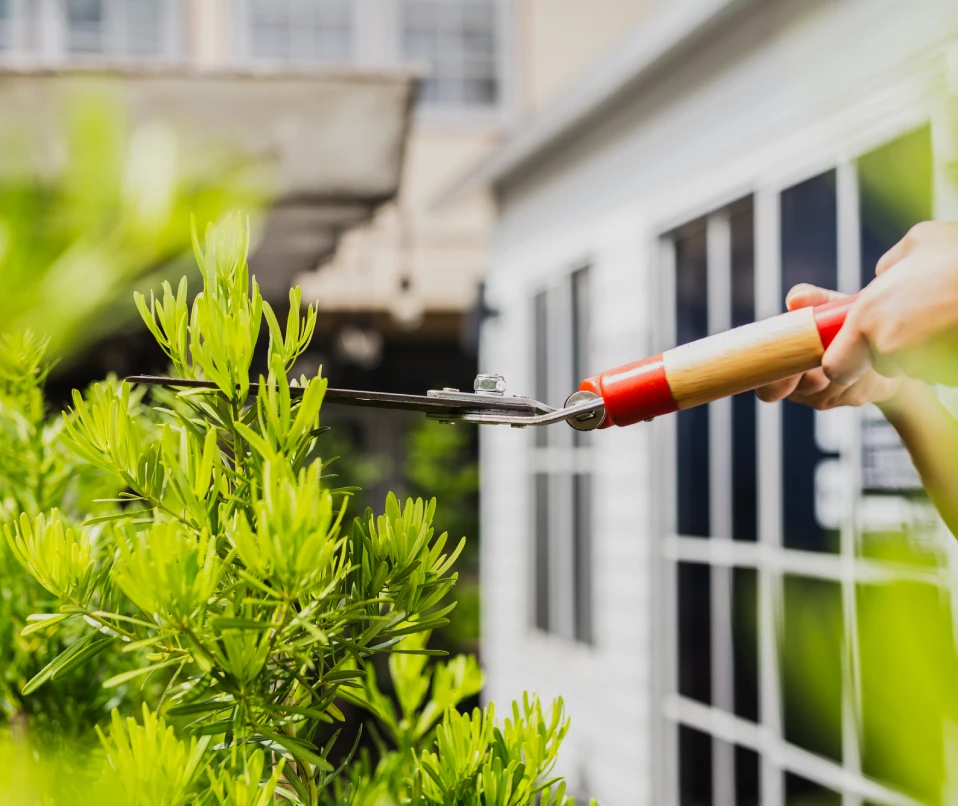
Signs Your Tree Needs Pruning
Dead, broken, or hanging branches anywhere in the canopy
Branches that cross and rub against each other
A young tree developing a weak or lopsided branching structure
Dense inner growth that blocks light and airflow through the crown
Storm damage: cracked, split, or partially attached limbs
A canopy that looks noticeably heavier on one side than the other
If you’re seeing any of these, it’s worth having a certified arborist take a look before the next storm does the pruning for you.
Benefits of Professional Pruning
Improved Tree Health
Removing dead, diseased, or crossing branches slows the spread of decay and improves air circulation through the canopy.
Better light and airflow
Thinning a dense canopy lets more light reach your lawn and any plants growing underneath.
Reduced Storm Risk
Weak, overgrown, or poorly attached limbs are the ones most likely to come down in Charlotte's spring and summer storms. Removing them before a storm hits is far cheaper than cleaning up after one.
Stronger Structure Over Time
For young trees especially, early structural pruning establishes a strong branching framework, which means less corrective work and fewer weak limbs as the tree matures.
Types of Pruning We Perform
Structural Pruning
Establishing or correcting a tree's branching framework, most valuable on young trees where a strong shape now prevents problems later.
Crown Cleaning/Deadwood Removal
Removing dead, dying, diseased, or broken branches from the canopy.

Crown Reduction
Selectively shortening branches to reduce the overall size or weight of the canopy, where appropriate for the species and site.

Corrective Pruning
Addressing an existing structural problem, such as a codominant trunk, included bark, or storm damage.

Young-Tree Pruning
Light, early structural work that pays off for decades.

Mature-Tree Pruning
More conservative, health-focused work on established trees, where large cuts are made carefully and sparingly, since bigger wounds take longer to close over.
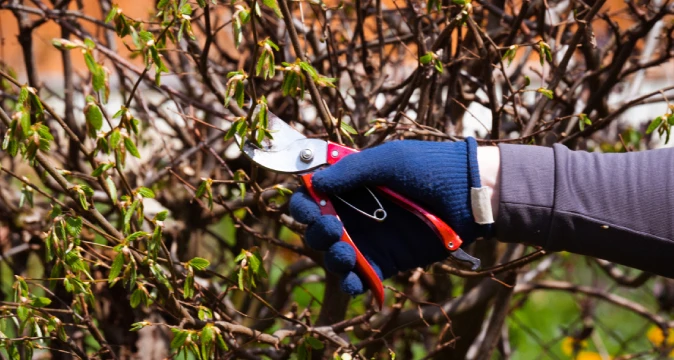
When to Prune Trees in Charlotte
There’s no single date that’s right for every tree, and any of our arborists will tell you the same thing, but there are some general, well-established patterns worth knowing:
Most Deciduous Shade Trees
Common in Charlotte yards, oaks and maples, are generally best pruned during the dormant season, roughly late fall through late winter, when reduced sap flow means faster wound closure and lower disease risk.
Oaks
Carry some added risk if pruned during the growing season, so scheduling oak pruning for the dormant months is usually the more cautious choice.
Dead, Hazardous, or Storm-Damaged Branches
Dead, hazardous, or storm-damaged branches are the exception to all of the above; those get removed whenever they're found, regardless of season, because safety comes first.
Summer Bloomers Like Crape Myrtle
Summer bloomers like crape myrtle are usually pruned in late winter, before new growth starts.
Spring-Flowering Trees Like Dogwoods
Spring-Flowering Trees Like Dogwoods are typically pruned right after they finish blooming, so you don't cut off next year's flower buds.
An arborist visit will tell you where your specific tree and situation fall on this spectrum; these are general starting points, not a fixed schedule.
Charlotte-Specific Considerations
Charlotte’s mix of native and ornamental species oaks, maples, dogwoods, pines, and crape myrtles is common across the area’s residential neighborhoods means pruning needs vary block to block, not just tree to tree. The region’s compacted, clay-heavy Piedmont soils can also add stress to root systems, which is part of why our arborists look at the whole tree, not just the branches you’re worried about, before recommending a plan.
Pruning Near Homes and Structures
Pruning near a house, fence, or power line calls for more caution than pruning out in an open yard, not just for the tree, but for what’s underneath it. Our arborists plan cuts and drop zones with nearby structures in mind, and we carry the insurance to back that work up.
What a Professional Pruning Visit Involves
Assessment
We look at the tree's species, age, health, and location before recommending a plan, not a generic "prune everything" approach.

Precision Cuts
Using ANSI A300-aligned methods, our arborists remove only what the tree actually needs, using tools and rigging appropriate to the tree's size and location.
Cleanup
We haul away all cut material and debris before we leave.
Guidance Going Forward
We'll tell you what we found, what we did, and roughly when your tree should be looked at again.
How Often Trees May Need Pruning
This depends heavily on species, age, and site a young tree being trained structurally may need light attention every year or two, while a healthy mature tree might go several years between visits. An annual inspection (which we also offer as part of our tree risk assessment service) is a reasonable way to catch problems before they need major correction.
What Affects Pruning Cost
Cost depends on the tree’s size and species, how much access equipment (like an aerial lift) is needed, how close the tree is to structures or power lines, and how much work the tree actually needs versus a quick cleanup. We provide a free, no-obligation estimate after an on-site look, rather than quoting blind over the phone.
When Pruning Isn't Enough
Sometimes what looks like a pruning job turns out to be something more serious significant internal decay, major root damage, or a structural problem that pruning can’t correct. If that’s the case, our arborists will tell you honestly and can walk you through a full tree risk assessment or, if it’s truly necessary, tree removal.
Pruning vs. Trimming
In short: pruning is about health and structure; trimming is more about growth control, clearance, and appearance. In practice, a single visit sometimes involves both. If you’re still not sure which one your tree needs, our full pruning vs. trimming comparison walks through it in more detail.
Serving Charlotte and Surrounding Communities
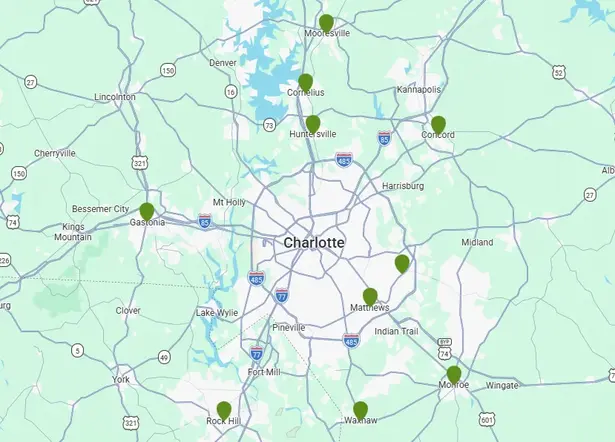
AAA Tree Experts provides a range of professional tree services throughout
- Huntersville
- Cornelius
- Matthews
- Mint Hill
- Monroe
- Waxhaw
- Gastonia
- Rock Hill (South Carolina)
- Mooresville
- Concord
- Connect with Us
Schedule Your Free Pruning Estimate
An arborist can tell you in one visit whether your tree needs pruning, trimming, or nothing at all right now. Call 704-366-1134 or request an estimate online.
Frequently Asked Questions
How often should trees be professionally pruned in Charlotte?
What time of year is best for tree pruning in Charlotte?
Should I have my trees pruned before severe storm season?
Can pruning help prevent tree branches from falling on my house?
Pruning can reduce certain branch-related risks, particularly when dead, damaged, weak, or poorly positioned limbs are identified and removed. However, pruning cannot eliminate all risk from a tree near a home. The tree’s overall condition, structure, size, and proximity to the property also need to be considered.
Do young trees need professional pruning?
Yes, light structural pruning can be useful while a young tree is developing. Correcting competing leaders, weak branch attachments, and poorly positioned branches early can help establish a stronger structure and reduce the need for larger corrective cuts later in the tree’s life.
Can tree pruning be done when branches are close to power lines?
Trees growing near power lines require additional caution because both the tree and the surrounding area can create serious safety hazards. This type of work should be assessed by qualified professionals, and utility clearance may involve requirements that do not apply to ordinary tree pruning.
Is tree pruning the same as tree trimming?
Not exactly. Pruning targets specific branches for the tree’s health and structure removing dead, diseased, or weak wood. Trimming is more about controlling overall growth and shape, often for clearance or appearance. Many jobs involve elements of both, and our arborists will tell you honestly which one your tree actually needs.
How much does tree pruning cost in Charlotte?
It depends on the tree’s size, condition, accessibility, and how much work is actually needed. We provide free, on-site estimates rather than flat phone quotes, since two trees that look similar from the street can need very different amounts of work.
Can I prune my own trees?
Small, low branches on young trees are reasonable for many homeowners to handle with the right tools. Anything requiring a ladder, a chainsaw, or work near power lines or a roofline is safer left to an insured professional both for you and for the tree.
Will pruning hurt my tree?
Correct pruning, done at the right time of year and with clean cuts in the right place, shouldn’t hurt a healthy tree if anything, it improves its long-term health. Improper pruning (topping, over-thinning, or cuts made at the wrong time of year) can cause real, sometimes permanent damage, which is the main argument for hiring a certified arborist rather than a general landscaping crew.